Table of Contents
Losing money to a cryptocurrency scam can be stressful and confusing. After discovering the fraud, many victims are unsure about what to do next or how to find out where their money went. During this process, they often come across three important terms: fund tracing, financial investigation, and fund recovery.
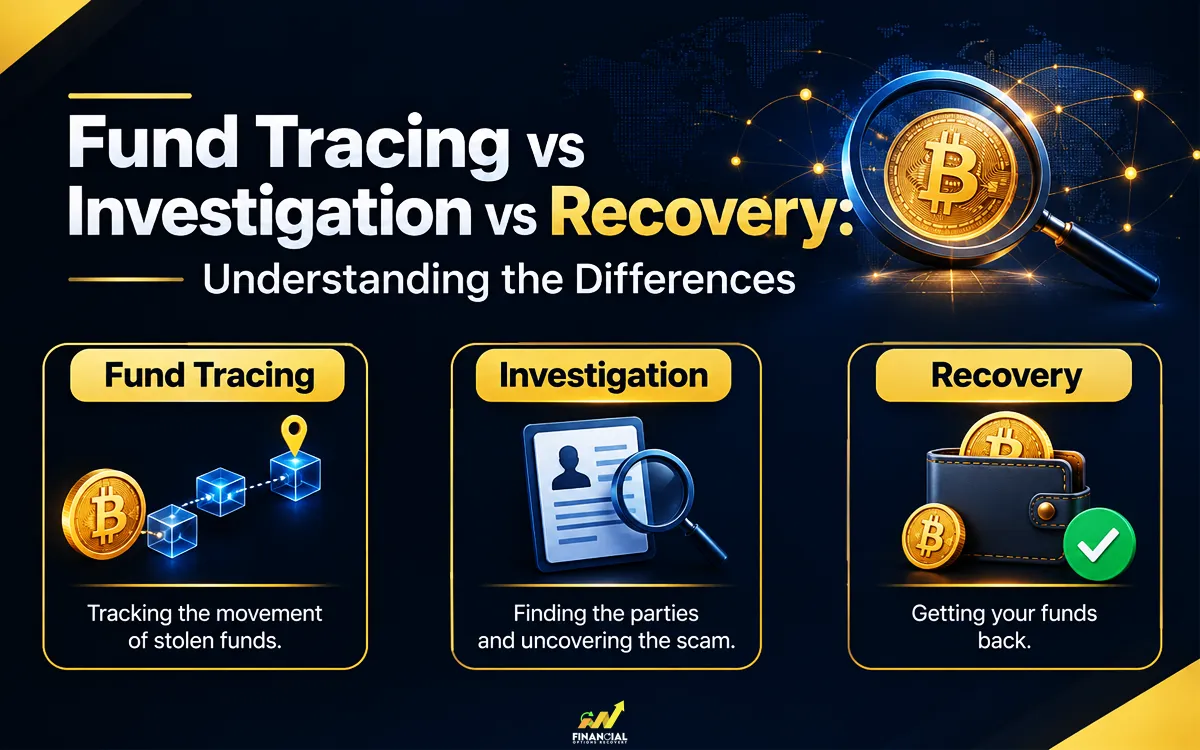
Although these terms are closely related, they do not mean the same thing. Each process has a different purpose and plays a specific role in understanding financial fraud and exploring possible recovery options.
Understanding these processes can help victims explore appropriate cryptocurrency scam recovery services and determine the next steps after financial fraud. Let's look at how each process works and how they connect.
Fund tracing is the process of following money after it has been transferred through a suspected scam. In cryptocurrency fraud, this usually involves examining blockchain records, wallet addresses, and transaction IDs to understand where the digital assets have moved.
For example, if someone sends Bitcoin to a wallet controlled by a scammer, blockchain records can help identify the receiving wallet and track subsequent transactions.
The main purpose of fund tracing is to create a clearer picture of how the money moved and identify possible leads for further investigation. However, tracing cryptocurrency does not mean that someone can automatically access or recover it.
Crypto fund tracing involves reviewing transaction records and following the movement of digital assets. The process generally includes the following steps:
Step 1: Collect Transaction Details
The first step is to collect information about the suspected fraudulent transaction. This may include transaction IDs (TXIDs), wallet addresses, payment receipts, exchange records, and relevant screenshots. These details help establish where the money was initially sent.
Step 2: Review Blockchain Records
Once the transaction details are available, blockchain records are examined to verify the transfers. Analysts may review transaction amounts, timestamps, wallet addresses, and transaction histories to understand how the funds moved.
Step 3: Track Fund Movements
After identifying the initial transaction, the next step is to follow the movement of funds across connected wallet addresses. Scammers may transfer cryptocurrency through multiple wallets or services. Tracking these movements can help create a transaction trail.
Step 4: Identify Potential Leads
During the tracing process, analysts may look for connections to known cryptocurrency exchanges or other identifiable services. These connections can provide useful leads for further investigation. However, a connection to a wallet or exchange does not automatically reveal the identity of the person controlling it.
Step 5: Prepare a Transaction Report
The final step is to organize the findings into a report that explains the movement of funds. This report may help support further investigation, communication with exchanges, or reports to relevant authorities.
Having the right information can make the tracing process easier. If you have experienced a crypto scam, try to preserve the following records:
Keep the original records whenever possible. Avoid deleting messages or making changes to transaction information.
There is no fixed timeline for cryptocurrency fund tracing. Some transactions may be easier to follow, while others can take longer because of multiple transfers, different blockchain networks, or complicated transaction patterns.
The time required usually depends on:
It is important to understand that a longer tracing process does not necessarily mean that funds are more likely to be recovered.
Blockchain analysis helps examine how cryptocurrency moves between different wallet addresses. Since many public blockchains maintain records of transactions, analysts can review available information to identify transfers, transaction patterns, and possible connections between wallets.
For example, if stolen cryptocurrency moves from one wallet to several other addresses, blockchain analysis may help map those movements. It can also help identify transactions involving addresses associated with known exchanges or services.
However, blockchain analysis has limitations. Public transaction records do not always reveal who controls a wallet, and some services may make it harder to follow the movement of assets.
A financial investigation is a broader process that examines the available evidence to understand how a suspected scam happened. While fund tracing mainly focuses on the movement of money, an investigation looks at the bigger picture. It may involve reviewing transaction records, platform activity, messages, emails, payment information, and other details connected to the suspected fraud.
The purpose is to establish what happened, identify possible connections, and understand which steps may be available next. When fraudulent trading platforms are involved, understanding the available trading scam recovery options can help victims assess the next steps based on their circumstances.

A financial investigation generally involves several stages.
Step 1: Initial Case Review
The investigation begins with understanding how the incident happened. This includes reviewing how the victim was contacted, which platform was involved, how much money was transferred, and when the suspicious activity started.
Step 2: Evidence Collection
The next step is to collect available evidence. This may include transaction IDs, wallet addresses, screenshots, emails, payment records, account details, and conversations with the suspected scammer.
Having organized records makes it easier to understand the situation.
Step 3: Transaction Analysis
Investigators examine transaction histories and available financial records to understand how the funds moved. This stage may involve blockchain analysis, payment verification, and reviewing suspicious transaction patterns.
Step 4: Identify Possible Connections
The collected information is reviewed to identify possible connections between wallet addresses, accounts, platforms, and other entities involved in the suspected fraud.
These connections may provide useful leads, but they should not be treated as confirmed identities without supporting evidence.
Step 5: Prepare Findings and Assess Next Steps
After reviewing the available information, the findings can be organized into a report. Depending on the situation, this information may help with reporting the incident to relevant authorities, contacting exchanges, or seeking legal guidance.
An investigation helps establish facts and identify possible options. It does not guarantee that stolen money can be recovered.
The quality and availability of evidence can affect how clearly an investigation can establish what happened.
Useful information may include:
Even if some information is missing, preserve whatever records you still have. Do not delete conversations or provide passwords, private keys, or seed phrases to anyone claiming to investigate the case.
Cryptocurrency fund recovery refers to exploring available ways to retrieve digital assets lost through fraud or unauthorized transfers. Unlike fund tracing, which focuses on following transactions, recovery involves taking appropriate steps based on the available evidence and circumstances.
Depending on the case, possible options may include contacting cryptocurrency exchanges, reporting the incident to relevant authorities, working with payment providers, or exploring legal procedures.
However, recovering cryptocurrency is not always possible. The outcome depends on where the funds moved, whether they can be identified or accessed, and whether any exchange, authority, or legal process can help.
The recovery process usually involves reviewing the incident, understanding the movement of funds, and assessing available options.
Step 1: Initial Case Assessment
The first step is to review how the money was lost, which platforms were involved, and what information is available. This helps establish the basic details of the case.
Step 2: Evidence Collection
Relevant records, such as transaction IDs, wallet addresses, payment receipts, screenshots, and communication history, are collected and organized.
These records may be needed when reporting the incident or communicating with relevant service providers.
Step 3: Fund Tracing
Available blockchain and transaction records are examined to understand where the cryptocurrency moved. The findings may help identify potential leads for further action.
Step 4: Explore Available Recovery Options
Once the evidence has been reviewed, possible next steps can be assessed.
Depending on the circumstances, these may include:
These options do not guarantee that the funds will be returned. Their usefulness depends on the specific facts of the case.
Step 5: Follow Up on the Case
After the relevant reports or requests have been submitted, responses and updates may need to be reviewed. The person handling the case should explain what has happened, which options remain available, and whether any further action is possible.
Not necessarily. This is one of the most important things to understand about cryptocurrency recovery. Blockchain tracing can show where cryptocurrency moved, but it does not give investigators control over the wallet or its contents.
Recovery may be possible in certain circumstances, such as when funds reach an identifiable exchange that can review a request and potentially restrict access to assets under its policies and applicable legal requirements. However, there are also situations where recovery becomes difficult.
For example:
This is why tracing, investigation, and recovery should be treated as separate but connected processes.
Several factors can influence whether recovery is possible.
No single factor guarantees a successful outcome. Each case needs to be assessed based on its own circumstances.
Fund tracing, financial investigation, and fund recovery are connected, but they serve different purposes.
The following table explains the main differences:
|
Comparison Factor |
Fund Tracing |
Financial Investigation |
Fund Recovery |
|
Main Purpose |
Follow the movement of funds. |
Understand how the suspected fraud happened. |
Explore ways to retrieve lost assets. |
|
Primary Focus |
Wallets and transactions |
Evidence, accounts, platforms, and activities |
Available recovery options |
|
Key Activities |
Reviewing TXIDs, wallet addresses, and blockchain records |
Examining transactions, communications, and other evidence |
Contacting exchanges, reporting fraud, and exploring legal options |
|
Information Required |
Transaction IDs and wallet addresses |
Transaction records, screenshots, and communication history |
Investigation findings and evidence of financial loss |
|
Expected Outcome |
A transaction trail |
Findings and possible investigation leads |
Progress toward recovery, where possible |
|
Guaranteed Result |
No |
No |
No |
In simple terms:
Each process contributes different information and may help determine the next appropriate step.
Although these processes have different purposes, they often work together when dealing with cryptocurrency fraud. Let's understand this with a simple hypothetical example.
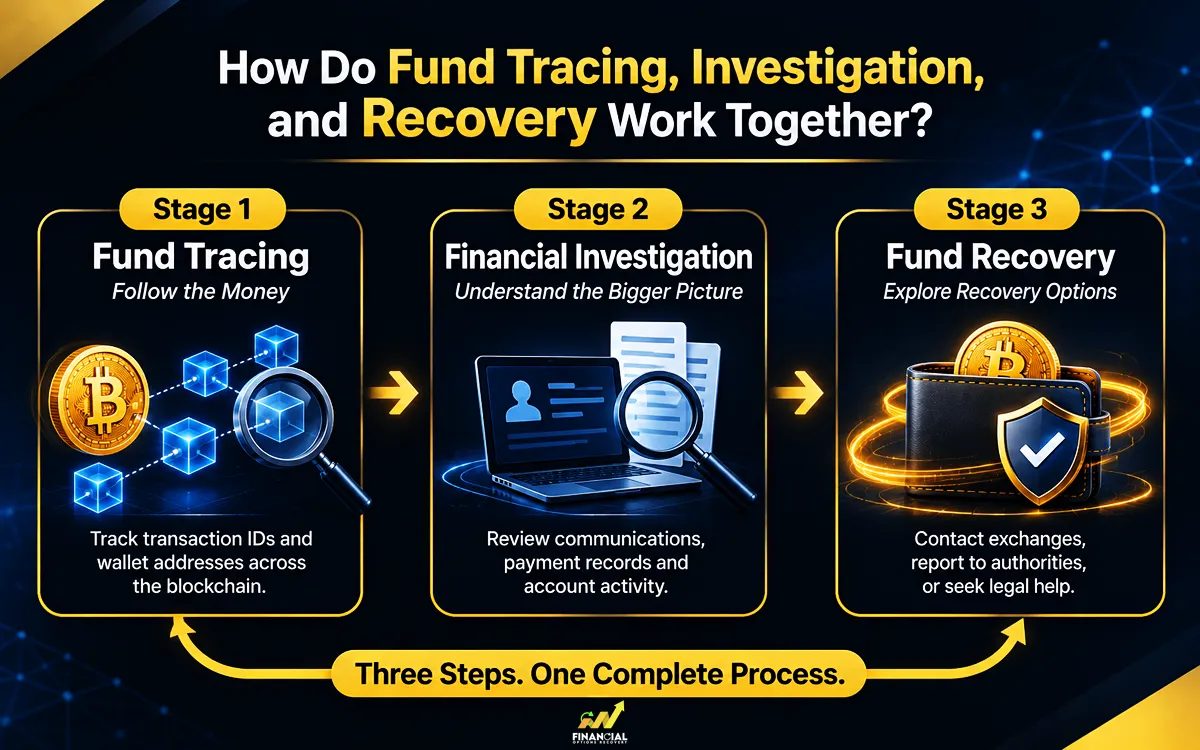
Imagine someone invests $5,000 through an online cryptocurrency platform after being promised high returns. Initially, the platform shows profits, but when the person tries to withdraw the money, the account becomes inaccessible.
After reviewing the situation, the person realizes that the platform may have been fraudulent. Here is how the three processes could work together.
Stage 1: Fund Tracing
The transaction IDs and wallet addresses are collected and reviewed. Blockchain records may show that the cryptocurrency was transferred to another wallet and later moved through several additional addresses.
This creates a transaction trail and provides potential leads.
Stage 2: Financial Investigation
The next step is to review the complete situation. This may include examining conversations with the platform, payment records, account activity, and the transaction history.
The purpose is to understand how the suspected scam happened and identify possible connections.
Stage 3: Fund Recovery
Once the available findings have been reviewed, possible recovery options can be considered. For example, the victim may contact an exchange that received the funds, report the incident to the appropriate authorities, or seek legal assistance.
Whether any money can be recovered depends on the circumstances and the available options. This example shows why tracing, investigation, and recovery are not interchangeable terms. Each process answers a different question and supports the next stage.
If you believe you have lost money through a cryptocurrency scam, knowing what to do next can make a difference. Many victims feel confused or stressed after discovering that their funds have been stolen, especially when they do not know where the money went or how to report the incident.
Taking the right steps early can help preserve important evidence, protect your remaining funds, and improve your ability to report the suspected fraud. Although recovering stolen cryptocurrency is not always possible, keeping proper records and contacting the relevant platforms or authorities can help you understand your available options.
If a trading platform refuses to release your funds or repeatedly delays withdrawal requests, understanding commoncrypto withdrawal issues can help you identify potential warning signs.
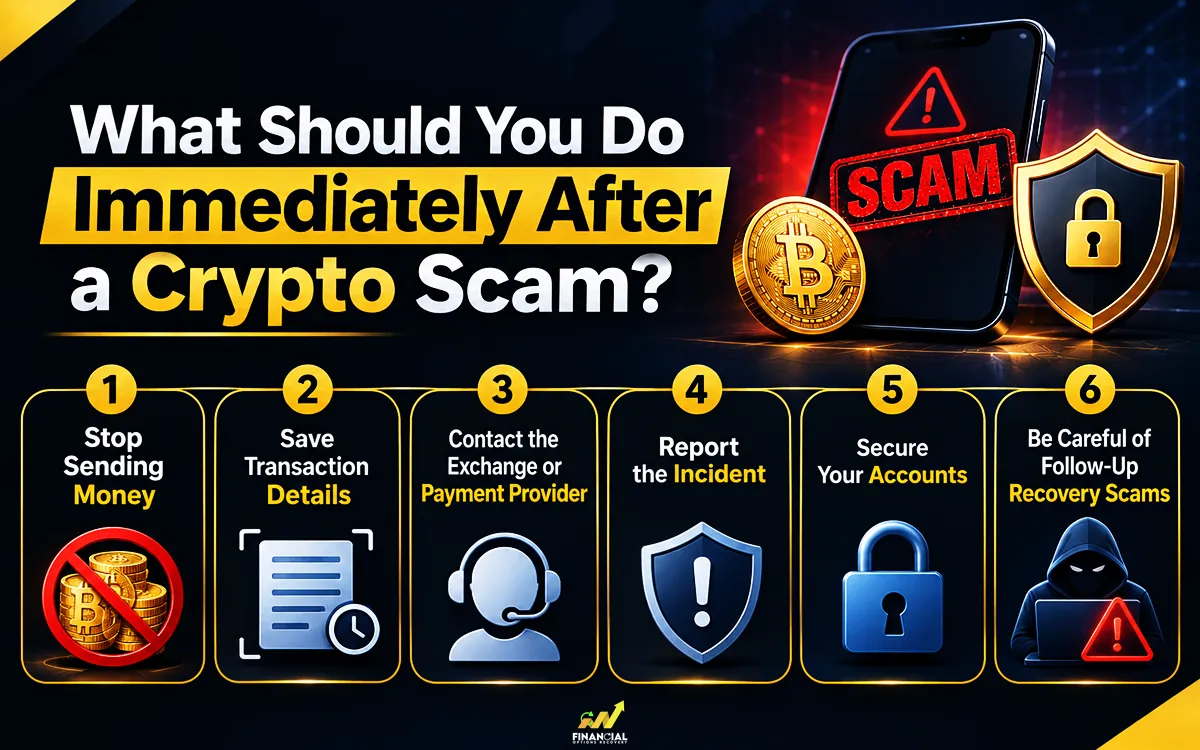
Here are some important steps to consider after discovering a crypto scam:
Do not send additional payments to the suspected scammer, even if they promise to release your funds or increase your investment returns.
Keep transaction IDs, wallet addresses, payment receipts, and screenshots. These records may help establish what happened.
If you transferred money through a cryptocurrency exchange, bank, or payment provider, contact its official support team and explain the situation.
Report suspected fraud to the appropriate law enforcement or cybercrime reporting authority in your country.
Change compromised passwords, enable two-factor authentication, and secure your email and exchange accounts.
Never share private keys, wallet seed phrases, or account passwords with someone claiming to recover your money.
Scammers sometimes target people who have already lost money by pretending to offer recovery services.
Be cautious of anyone promising guaranteed results, demanding unexplained payments, or pressuring you to act immediately.
Choosing a recovery service requires care, especially when you are already dealing with financial loss. Unfortunately, some scammers target previous scam victims by offering fake recovery services and making unrealistic promises. Before working with any recovery provider, consider the following points.
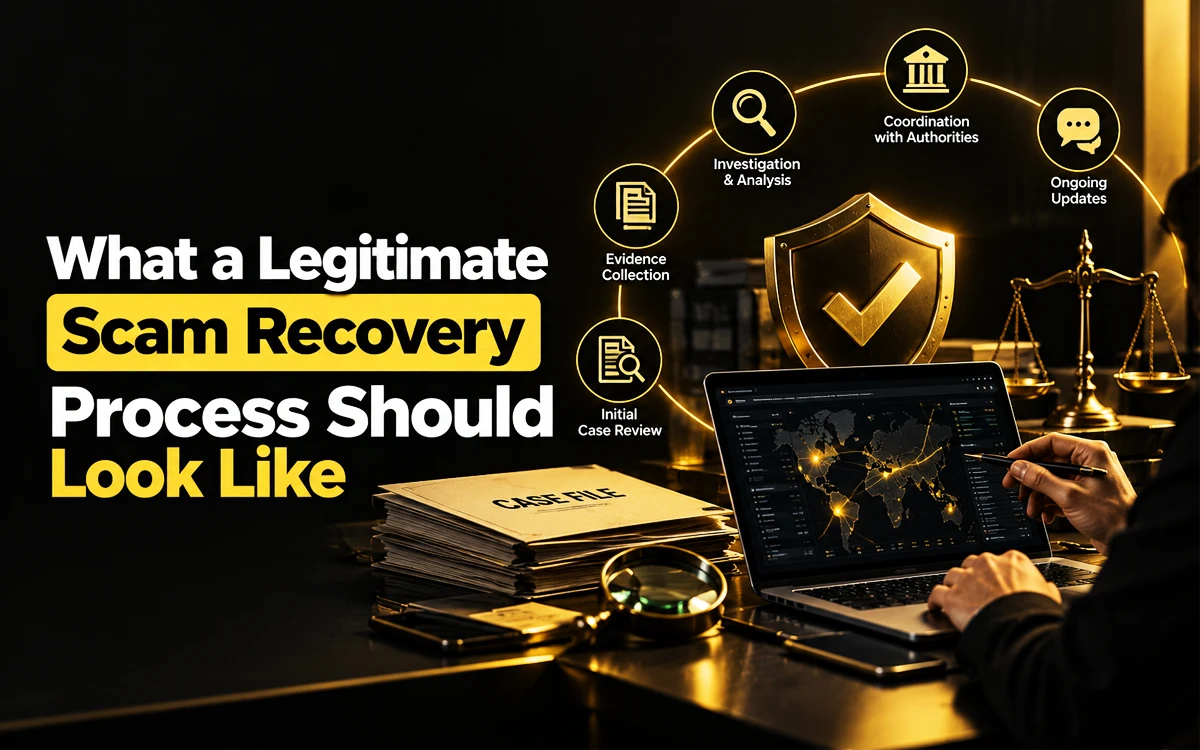
Before choosing a recovery provider, it is useful to understand the legitimate scam recovery process, including evidence examination, fund movement analysis, and available recovery options.
Check Company Registration and Business Details
Look for verifiable company registration information, ownership details, business addresses, and official contact information.
Understand the Recovery Process
A legitimate provider should explain what its service includes, how it works, and what information it needs from you. Be cautious of companies that use complicated technical language without explaining their actual work.
Review Fees and Payment Terms
Ask for a clear explanation of service fees, payment conditions, additional charges, and refund policies. Avoid making cryptocurrency payments without understanding exactly what the payment covers.
Avoid Guaranteed Recovery Promises
No service can guarantee that every stolen cryptocurrency transaction will be reversed or that lost funds will be returned. Be particularly careful of claims such as 100% recovery success.
Verify Experience and Customer Feedback
Look for genuine professional backgrounds, independently verifiable testimonials, and documented case studies. Do not rely only on reviews published on the company's own website.
Protect Your Wallet Information
Never share your seed phrase, private keys, passwords, or remote access to your device with a recovery provider. A genuine investigation should not require you to hand over control of your personal wallet.
Taking these precautions can help you make a more informed decision and reduce the risk of losing additional money.
Understanding the difference between fund tracing, investigation, and recovery can help people make more informed decisions when seeking assistance after financial fraud.
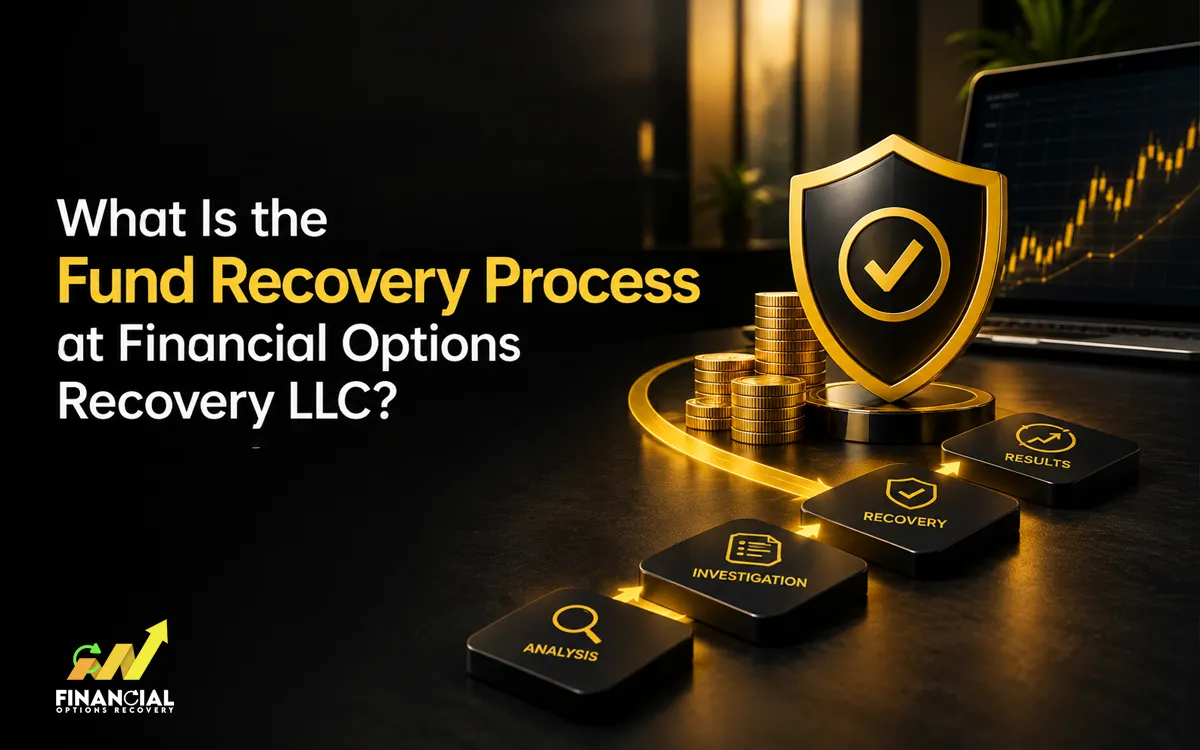
Financial Options Recovery LLC describes its approach as a structured process that begins with reviewing the available case information and understanding how the suspected incident occurred. The process involves several stages.
The available details are reviewed to understand how the funds were transferred, which platforms were involved, and what happened when the victim attempted to access the money. This helps establish the basic scope of the situation.
Relevant information, such as transaction IDs, wallet addresses, payment receipts, screenshots, platform details, and communications, is organized for further review.
Available blockchain records and transaction histories are examined to map the movement of cryptocurrency. The objective is to understand where the funds moved and identify potential leads.
Transaction information is reviewed alongside other available evidence, including platform activity and communications. This helps build a clearer picture of the suspected incident and identify possible next steps.
After reviewing the available findings, possible recovery options are assessed. Depending on the circumstances, these may include contacting relevant exchanges, reporting the incident to appropriate authorities, or exploring legal options.
The available options, requirements, and limitations are explained so that clients can better understand what may happen next. Any further action depends on the findings, responses from relevant parties, and the circumstances of the case.
Financial Options Recovery LLC offers a free initial case review. However, a case review or tracing assessment should not be confused with a guarantee that lost funds can be recovered.
Fund tracing and financial investigation can help explain what happened after a suspected scam. They may also identify useful information for reporting the incident or exploring recovery options. However, there are important limitations. Blockchain records can show the movement of cryptocurrency, but they do not always reveal the identity of the person controlling a wallet. Similarly, identifying a destination address does not mean that the assets can be accessed or returned.
The success of any recovery attempt depends on several factors, including the available evidence, the movement of funds, exchange cooperation, and applicable legal procedures. It is also important to understand that no recovery provider can guarantee a successful outcome in every case.
Before choosing a service, ask clear questions about the investigation process, fees, expected work, and possible limitations. Avoid providers that pressure you into making payments or promise guaranteed returns. Being informed about these limitations can help you avoid further financial loss and make better decisions.
Financial Options Recovery LLC offers a free case review for individuals who want to understand their situation and explore possible next steps. Any potential recovery options depend on the details and evidence available in each case. Contact us to discuss your case and explore the next steps.
Fund tracing focuses on following the movement of money after a suspected scam. Fund recovery involves exploring available options to retrieve the lost assets. Tracing can support recovery efforts, but it does not guarantee that funds can be returned.
Yes. Many cryptocurrency transactions are recorded on public blockchains. Transaction IDs and wallet addresses can be examined to follow the movement of funds. However, tracing a transaction does not always reveal the identity of the wallet owner.
No. Tracing helps identify where cryptocurrency has moved, but it does not provide control over the assets. Recovery depends on factors such as asset accessibility, exchange cooperation, available evidence, and legal procedures.
The time required depends on the complexity of the case, the amount of available evidence, the number of transactions involved, and the platforms or services that need to be reviewed. Some investigations may take days, while more complicated cases can take weeks or longer.
A cryptocurrency exchange may be able to restrict access to assets held on its platform, depending on its policies and applicable legal requirements. Law enforcement or other authorized authorities may also pursue freezing measures through appropriate legal procedures. A private investigator cannot independently freeze funds in someone else's wallet.
Not always. Blockchain analysis can reveal transaction histories and potential connections between wallet addresses. However, wallet addresses do not automatically reveal the real-world identity of the person controlling them. Additional evidence or information from relevant service providers may be needed.
Stop sending money, preserve transaction records and communications, contact the exchange or payment provider involved, and report the incident to the appropriate authorities. Be cautious of anyone promising guaranteed recovery or asking for your private keys or wallet seed phrase.