
If you’ve walked past a Bitcoin kiosk lately, you’ve seen the "lowest-friction" tool currently available to professional con artists. According to the latest data from cybersecurity firm CertiK, crypto ATM fraud in the U.S. skyrocketed to $333 million in 2025. This 33% jump in losses comes as criminal networks ditch basic scripts for high-tech impersonation tools that make their lies much harder to spot.
These machines are a goldmine for scammers because they bridge the gap between physical cash and digital anonymity in under five minutes. With 45,000 kiosks worldwide, 78% of which are in the U.S., the FBI has already handled over 12,000 complaints through November 2025 alone.
The biggest hurdle for investigators is a "blind spot" in the data. While the blockchain shows where the money went, it doesn’t show who put it in the machine. Without a court order to force the ATM operator to hand over records, the money usually vanishes into the digital ether.
The human cost is even heavier. 86% of all losses involve victims over the age of 60. Scammers target older adults by exploiting their life savings, a lower familiarity with crypto tech, and, in many cases, their social isolation.
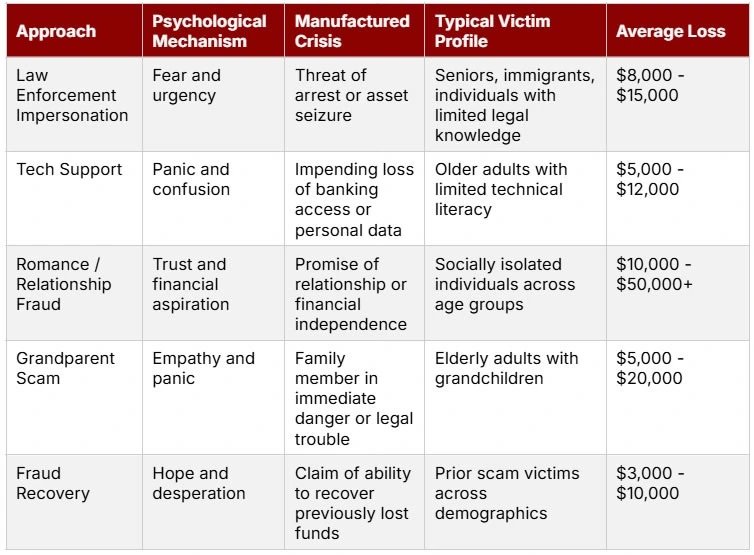
While seniors are the primary targets, younger people are increasingly getting caught in "pig butchering" traps, elaborate, long-term romance or investment scams. CertiK highlighted five main ways these groups trick people into driving to an ATM:
Unlike a typical hack where a criminal steals your password, these crimes rely entirely on social engineering, talking a person into physically walking up to a machine and handing over their own cash.
The game changed in 2025 because scammers are now using high-tech tools to make their impersonations nearly perfect. By scraping social media, these groups can mirror the specific voice, appearance, and personality of a victim’s friend or family member in real-time. These "high-tech" versions are proving to be 4.5 times more profitable than the old-school phone calls.
We are also seeing a shift in who is behind the curtain. These aren't just independent hackers; they are transnational criminal organizations that run like corporations. They have entire departments dedicated to different parts of the scam, allowing them to steal on an industrial scale.
Lawmakers are eventually pushing back. In February 2025, Senator Dick Durbin proposed the Crypto ATM Fraud Prevention Act that would compel kiosks to implement more secure measures. In the meantime, Senator Cynthia Lummis has been lobbying to have wider market regulations that will enforce penalties on these criminal groups without disabling the technology used by honest users.